Cosplay: Mastering SFX Wrinkles
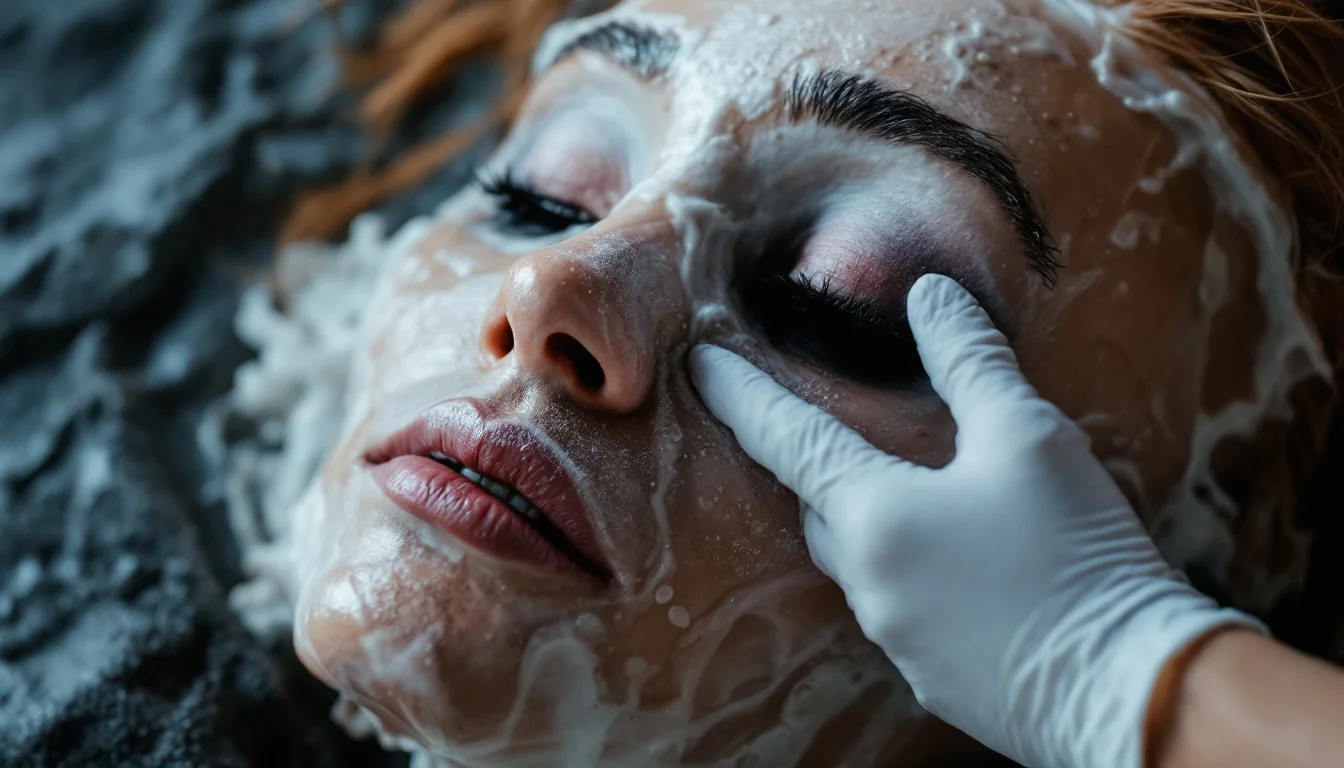
Physical transformation is the beating heart of character makeup. Whether you're recreating the weathered features of a centuries-old wizard or adding a parchment-like texture to a mythical creature, creating fake wrinkles is an essential step. Yet, many cosplay enthusiasts quickly hit a technical wall: the makeup cracks, the skin pulls, and the illusion shatters at the very first smile.
At the core of this issue lies a fundamental chemical confusion. Out of habit or simply mimicking others, beginners often use the exact same product to attach their prosthetics and to sculpt skin alterations. This misunderstanding of materials not only compromises the realism of the makeup, but it can also ruin your comfort during long convention days.
Understanding the structural properties of your makeup arsenal draws a clear line between an amateur and a special effects specialist. To pull off convincing facial aging, it is crucial to conceptually separate adhesives from sculpting polymers.
Key Takeaways
- Liquid latex is a flexible polymer designed specifically for sculpting effects like wrinkles, not for gluing down heavy prosthetics.
- Spirit gum is a resin-based adhesive, ideal for attaching hairpieces and accessories. While it can also be used to texture the skin and create certain aging effects, its rigidity limits the realism of expressions on a highly mobile face.
- Applying an adhesive requires careful preparation (cleaning with alcohol) and a precise waiting time to reach optimal tackiness.
- Removing the makeup absolutely requires a specific remover to prevent skin damage.
The Beginner's Mistake: Why Liquid Latex Beats Spirit Gum for Wrinkles
The search for a miracle product to age a face often leads to a misunderstanding of product specifications. Many amateur artists try to use their go-to glue to pucker their skin, with results that frequently disappoint.
Chemical Rigidity vs. Skin Elasticity
To understand why standard glue fails to create convincing wrinkles, we need to look at its composition. Spirit gum is made of a resin (either natural like mastic, or synthetic) combined with a solvent (historically alcohol, hence the term "spirit"). In this formula, the solvent acts as a dissolving agent. When applied to the skin, the solvent evaporates quickly, leaving the resin behind in a solid, rigid state.
However, a human face is in perpetual motion. While spirit gum is great for securing prosthetics and accessories, its rigid nature once dry prevents it from moving flawlessly with the skin's natural flexibility to create believable wrinkles. A wrinkle made entirely of resin will inevitably crack the moment the wearer speaks or smiles. It is worth noting, though, that spirit gum can still be used for texturing or minor aging effects, provided you carefully consider its limitations on highly mobile areas.
The Structural Role of Latex in the Illusion
To mimic creased skin, makeup artists must turn to materials capable of shrinking and stretching. Even though liquid latex has decent adhesive properties that can hold small, lightweight prosthetics, it is primarily designed for creating special effects: its bonding strength is significantly lower than that of dedicated adhesives like spirit gum. It is precisely this flexibility that makes it the tool of choice for aging makeup.
The way manufacturers market their products confirms this use. On Amazon, for example, a 50 ml bottle of liquid latex is explicitly advertised for "aging, wrinkles, wounds, and fake scars." The brand Kryolan even offers a product specifically dedicated to skin aging effects called "Old Age Stipple." Using latex to sculpt and a dedicated adhesive to glue is therefore a reliable method that respects the underlying chemistry of the products.
Latex, Pros-Aide, or Spirit Gum
Faced with the variety of bottles on a makeup station, it is crucial to match each substance to its proper mechanical application. Comparing components is the best way to prevent untimely peeling right in the middle of a performance.
Comparison Chart of SFX Materials
| Product | Composition and Texture | Primary Role | Flexibility and Usage |
|---|---|---|---|
| Liquid Latex | Elastic and flexible polymer | Sculpting, wrinkles, wounds, small prosthetics | Extreme skin flexibility, moderate adhesion |
| Spirit Gum | Resin (natural or synthetic) and solvent | Attaching accessories, hairpieces, wigs | Rigid hold once dry, ideal for hairpieces; can also create texture and minor aging effects |
| Pros-Aide | Acrylic emulsion (butyl acrylate) | Long-lasting adhesion | High flexibility (risk of sensitization) |
The Nuances of Professional Adhesion
Although spirit gum is the historical standard, modern alternatives are redefining comfort. Compared to spirit gum, Pros-Aide offers better longevity and weather resistance, though repeated use can trigger sensitization or allergic reactions. The flexibility of acrylic allows the prosthetic to better follow facial expressions. Nevertheless, spirit gum maintains an undeniable technical edge when it comes to anchoring loose hair and lace-front wigs, where the resin effectively locks the fibers in place—even if this strength also makes it more difficult to remove.
Variations for Specific Needs
The industry has also adapted its historical formulas to meet the modern demands of film sets and conventions. There are several types of spirit gum available: water-based, standard, matte, and TV. The matte and TV versions are optimized to prevent light reflection under studio spotlights or camera flashes. The water-based version, meanwhile, is designed for sensitive skin, with the technical trade-off that it doesn't hold as long as a classic alcohol-based formula, making it better suited for small pieces and short durations (like a photoshoot).
Tutorial: The 4 Steps to Gluing Your Prosthetics with Spirit Gum
Once your wrinkles are sculpted with latex or your aging prosthetic is finished, the application stage will determine the viability of your makeup. A poor gluing technique will ruin the hours you spent painting the details of your character.
Step 1: Chemical Preparation of the Skin
Resin adhesion requires a pristine surface. Before applying anything, the area must be perfectly clean, free of makeup and natural oils: it should be cleaned with alcohol or an astringent. The slightest greasy residue will create a microscopic barrier that prevents the glue from bonding with the skin.
Step 2: Application and Waiting for it to Tack
Distributing the adhesive requires care regarding the tools you use. Never apply spirit gum with your favorite makeup brushes, as they will be completely ruined once the resin hardens deep in the bristles. Opt for disposable or dedicated applicators instead.
The most common mistake is applying the prosthetic immediately after brushing on the liquid. You absolutely must wait a few moments for the spirit gum to become sticky (or "tacky") before placing the piece. This state can be sped up by gently tapping the resin with a sponge or your finger until you feel a distinct resistance.
Step 3: Applying Pressure
As soon as the resin grips your finger, firmly position your piece. It is recommended to hold the prosthetic or hairpiece in place for at least 30 seconds to guarantee a perfect bond. This sustained pressure helps eliminate microscopic air bubbles.
Step 4: The Powder Finish
Once the piece is attached, the surrounding area will often remain shiny and sticky. As a finishing touch, it is highly recommended to dust the edges with a translucent setting powder. This final step permanently eliminates any residual stickiness and mattifies the edge for a seamless blend with the skin.
The Golden Rule of Makeup Removal: Solvents and Skin Safety
Creating wrinkles or applying prosthetics is a temporary alteration that carries a responsibility toward your own dermatological health. Removing a strong resin isn't something you can just improvise in the shower with soap and water.
The Proper Dissolving Protocol
Ripping off a resin-glued prosthetic can cause skin irritation and immediate discomfort. You should always buy the remover (spirit gum remover) at the same time as the adhesive: removing a prosthetic without the proper product can damage your skin, tear out hair, and strip away facial peach fuzz.
The process must be slow and methodical. Removal is done by delicately applying the solvent to the edges, letting it soak in, and then gently rubbing the area to break the chemical bonds. Once the prosthetic is off, generously apply a moisturizer designed for sensitive skin to help preserve the skin's barrier. This patience is your only guarantee for healthy skin the next day.
Dangerous Alternatives to Avoid
Due to budget constraints or a lack of time, some creators turn to hardware store adhesives—a choice that can lead to disastrous consequences. Superglue (cyanoacrylate) is not a substitute for spirit gum. Its exothermic reaction during curing can literally burn the skin, and it bonds so tightly that removing it without tearing the epidermis is nearly impossible, making it completely unsuitable for cosmetic use.
Certain industrial glues should never be applied to the human body. Neoprene contact cement (which can be toxic if inhaled) and nail glue must be permanently banished from any makeup kit. These products are not formulated for prolonged skin contact, can trigger severe allergic reactions or irritations, and removing them causes significant damage to the skin.
Frequently Asked Questions (FAQ) on Adhesives and SFX Aging
Which adhesive should I choose for a highly mobile area of the face?
For areas subject to strong facial expressions, Pros-Aide is often the preferred alternative. Unlike spirit gum, its acrylic base offers great flexibility, allowing it to seamlessly follow the skin's natural movements without cracking, while still providing a long-lasting hold.Is spirit gum suitable for attaching hairpieces?
Yes, in fact, this is one of its primary technical strengths. Because its texture rigidifies as it dries, spirit gum resin effectively locks hair fibers in place, providing the ideal grip for anchoring wigs and hairpieces—especially lace-front wigs.Can spirit gum also create aging effects?
Yes, to a certain extent. Spirit gum can be used to secure small accessories, build texture, or achieve minor aging effects. However, for deep, mobile wrinkles, liquid latex or specialized products like Kryolan's Old Age Stipple remain the best options, as their flexibility is better suited to moving with facial expressions.Are there glues specifically suited for flash photography?
Absolutely. Professional makeup manufacturers offer variants of spirit gum labeled "matte" or "TV." These formulations are specially designed to prevent light reflection, thus avoiding unwanted glare under studio lighting or convention flashes.Conclusion: The Art of Responsible Illusion
Mastering a facial transformation requires far more than just a stroke of a brush: it is a genuine exercise in applied chemistry. Understanding the distinction between a flexible sculpting polymer and an alcohol-based fixing resin provides a solid foundation for diving into amateur special effects.
As creators elevate their technical skills, an in-depth understanding of materials becomes as much an issue of safety as it is of aesthetics. By choosing the right acrylic glues like Pros-Aide for comfort, and meticulously respecting resin curing times and removal protocols, artists can ensure they push the boundaries of their characters while keeping their own skin safe and healthy.