Contact Lenses: Why the "Cosmetic" Label Doesn't Protect You from Any Eye Risk
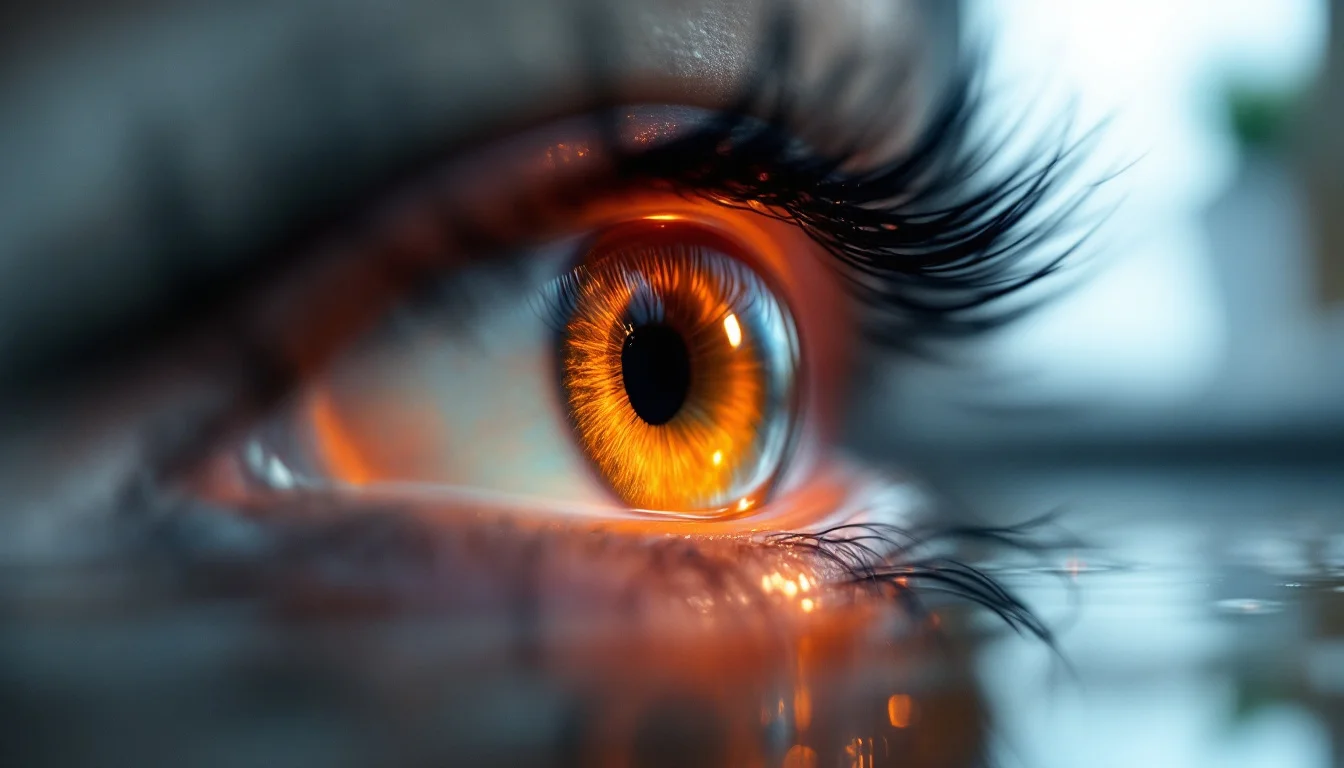
A pair of colored lenses tossed into the shopping basket between costume accessories or to change your look for an evening: the gesture seems harmless. The word "cosmetic" attached to the product has much to do with it. It evokes makeup, nail polish, something you remove at day's end without consequence.
This word reassures, but it says nothing about the real risk to the eye. Experts cited by Biruni University Hospital in Turkey describe this perception as extremely misleading: the cosmetic nature of a lens eliminates none of the risks associated with wearing it. What we actually know about these risks — what is documented, and what remains unknown — deserves to be stated clearly before the next impulse purchase.
Key takeaways
- A lens without correction is not thereby harmless to the eye.
- Lenses poorly suited to eye structure, manufactured without quality control, or used under poor hygiene conditions can cause serious damage to the eye's surface.
- The two best-documented mechanisms are mechanical and microbial: oxygen deprivation and colonization by microorganisms.
- Swimming in the ocean or pool while wearing lenses is among the most common mistakes made by wearers.
- Certain symptoms after wearing lenses warrant urgent consultation without delay.
Why does "non-corrective" not mean "risk-free"?
Colored lenses are often lumped into the same mental category as makeup or false lashes: a cosmetic product, and therefore by definition with no health implications. This association is precisely what specialists at Biruni University Hospital consider misleading.
The implicit reasoning — no visual correction, therefore no risk — ignores what a contact lens actually is: a foreign body placed directly on the cornea, in constant contact with tears, ambient oxygen, and microorganisms present on the hands or in the environment. Whether this lens corrects myopia or simply changes iris color changes nothing about this physical reality.
The cosmetic nature of a product shifts its perception, not its substance. A lens remains a lens: a device that rests on the cornea, which must breathe with it, and which can harbor bacteria if poorly maintained. It is this mechanical and microbial foundation, rather than the label on the box, that determines the risk.
Hypoxia and microbes: the two mechanisms truly documented
Two phenomena stand out clearly from available evidence, and they are far from exotic: they affect every lens, colored or not.
The first is mechanical. The cornea has no blood vessels; it receives oxygen directly from the air, through the tear film. A lens worn too long, or poorly chosen, creates a barrier that can prevent the cornea from receiving sufficient oxygen. This phenomenon, called corneal hypoxia, progressively weakens the tissues of the eye's surface.
The second is microbial. The surface of a lens, particularly if poorly cleaned or worn beyond its recommended duration, provides terrain where microorganisms adhere easily. Insufficient cleaning — a lens rinsed in tap water, case not changed, solution reused beyond its shelf life — can then promote serious eye infections.
Two mechanisms, one common thread
These two mechanisms share a trait: they worsen with wearing time and hygiene neglect, regardless of the aesthetic or corrective function of the lens. It is the material, the fit, and maintenance that matter, not the commercial category of the product.
Chemical risk: what we truly know (and what we don't)
Specialists at Biruni University Hospital also mention a more diffuse risk: poor-quality materials and harmful chemicals used in certain products sold without prescription could damage eye tissues. If these substances reach the eye's surface, they could cause irreversible lesions and vision loss.
This claim remains, however, poorly substantiated: no specific substance is named, no chemical family is identified, and the mechanism by which these compounds would migrate from lens material to eye tissue is not described. No quantified study is associated with it.
Chemical risk therefore remains a plausible hypothesis — consistent with the fact that uncontrolled materials can vary in purity and manufacturing quality — but it does not reach the level of evidence of hypoxia or microbial colonization. Prudence recommended here concerns product origin and quality, rather than a specific numerical alert that does not exist to date.
Pool, ocean: why water is the silent enemy of your lenses
Among identified at-risk behaviors, one gesture recurs with striking regularity: swimming in the ocean or pool without removing lenses. This is one of the most frequent errors among wearers, colored or otherwise.
The problem is not merely the water itself, but what it carries. Microorganisms present in bathing water can seep between the lens and cornea, where they become trapped against the eye's surface for hours. This prolonged contact can trigger difficult-to-treat infections that sometimes progress rapidly toward permanent damage.
A name to remember: Acanthamoeba
Among resistant microorganisms associated with this type of contamination is Acanthamoeba, capable of causing serious corneal infections in lens wearers. This parasite occurs naturally in fresh water, poorly maintained pools, and even tap water — which explains why professionals systematically advise against any contact between a lens and a non-sterile water source, whether showering, swimming, or simply rinsing a lens at the tap for convenience.
What complications can result from prolonged or neglectful use?
When the two preceding mechanisms — oxygen deprivation and microbial proliferation — combine with poor usage and sustained hygiene neglect, the consequences exceed temporary discomfort.
According to specialists at Biruni University Hospital, documented complications include:
- corneal ulcers;
- permanent vision loss;
- cataracts;
- secondary glaucoma.
In advanced cases, surgery may be necessary to preserve vision. This potential severity does not concern an isolated or extreme case: it follows directly from the accumulation of the two phenomena already described, hypoxia and microbial colonization, when they are not interrupted in time by a change in behavior or a consultation.
Which symptoms warrant urgent consultation?
Certain warning signs should never be downplayed or left hoping they will "go away." Urgent evaluation is recommended if you experience:
- intense burning;
- marked eye redness;
- unusual light sensitivity;
- sudden blurred vision;
- excessive tearing;
- persistent or worsening eye pain.
The combination of several of these signs, or their rapid appearance after lens insertion, strengthens the urgency for consultation rather than delaying the decision hoping for spontaneous improvement.
FAQ: colored lenses and eye risks
Do I need an eye exam before buying colored lenses? Since every eye structure is different, a lens perfectly suited to one person can cause serious problems in another: corneal curvature, tear sensitivity, and oxygen tolerance vary from eye to eye. This variability is precisely why the preliminary exam is useful: it verifies that a given lens corresponds to the morphology of the eye that will wear it. Specialists at Biruni University Hospital present obtaining lenses after examination and recommendation by a professional as the most important step in the process.
Does a colored lens purchased without prescription skip this step? In practice, accessing a cosmetic lens outside a prescription pathway bypasses the only filter capable of detecting a mismatch between eye and product before it causes damage.
Conclusion: beyond the word on the package
The word "cosmetic" describes an aesthetic function, not a risk level. Once this distinction is clear, vigilance naturally shifts toward what truly matters: material quality, wearing duration, cleaning rigor, and systematic avoidance of any non-sterile water.
This shift in focus — from the product's marketing category to the concrete conditions of its use — constitutes a line of defense accessible to the wearer at any time, whether wearing a colored or corrective lens, sold with or without medical guidance. However, it does not replace the preliminary examination by a professional, which remains the best way to anticipate a mismatch between eye and product.
--- The information contained in this article does not replace medical advice. Consult your doctor or a qualified healthcare professional.