Cosplay: How to Master Alcohol-Activated Body Paint Without Ruining Your Skin
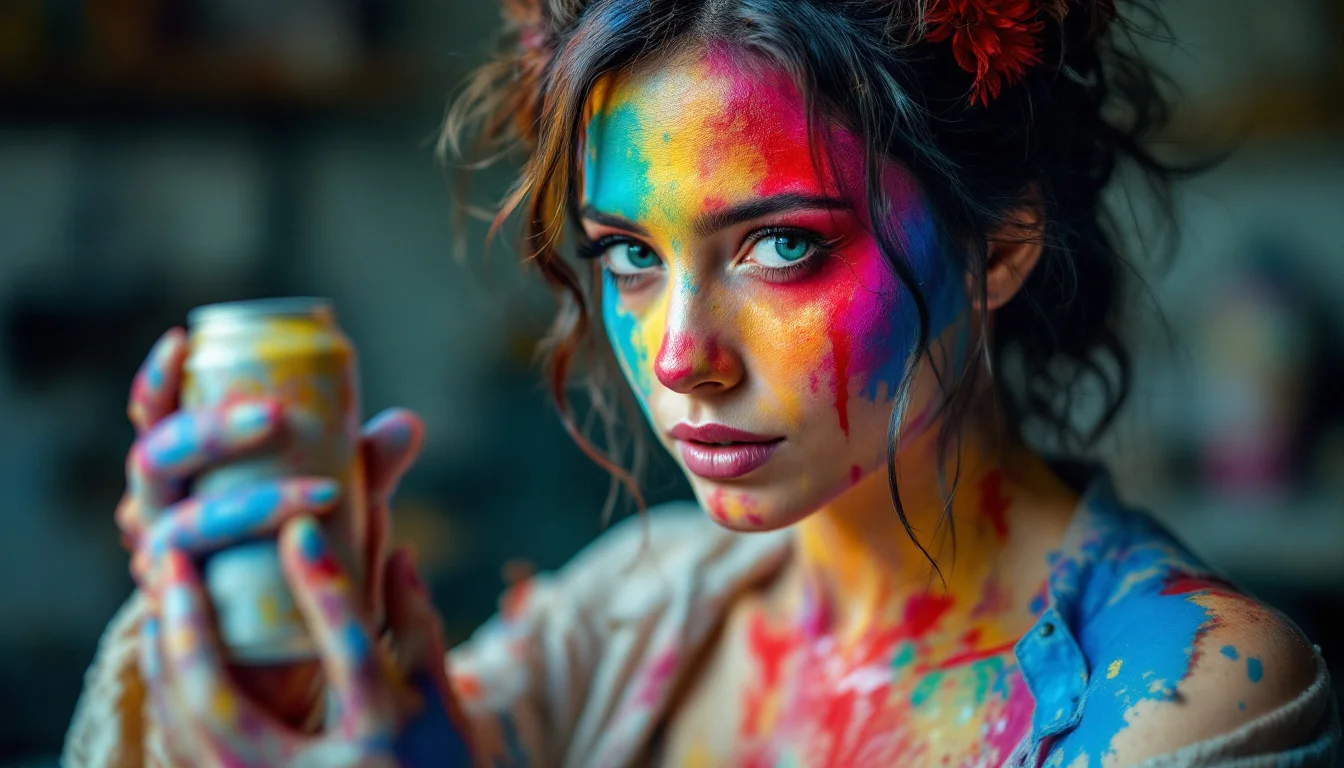
Transforming into a red, blue, or green-skinned character requires a massive investment of time and energy. But when you're navigating the crowded aisles of a convention under hot spotlights, traditional water-based makeup quickly shows its limits. It cracks, melts under sweat, and inevitably leaves permanent stains on your costume pieces.
To survive these extreme conditions, the community has turned to film industry standards: alcohol-activated body paints. These formulas offer unparalleled durability, capable of withstanding the friction of armor for hours on end. However, mastering them requires absolute precision. Using these products is no trivial matter for your skin. Poor preparation, the wrong solvent, or harsh removal can cause severe skin irritation. Understanding the chemical mechanics behind these advanced cosmetics is the only way to achieve spectacular visual results while protecting your skin barrier.
Key Takeaways
Using heavy-duty body paints requires strict protocols to prevent skin damage:
- No prior exfoliation: The skin must retain its natural protective film before application.
- Specific activation: 99% isopropyl alcohol or the brand's dedicated activator are the only solvents meant for professional pigments like Skin Illustrator.
- Removal by dissolution: The paint must be broken down through the chemical action of oils or surfactants to preserve the skin.
Preparation: Why Exfoliation is the Enemy
Before you even open a bottle, how you prep your skin determines the overall success of your makeup. The first step is washing the area with a gentle, fragrance-free cleanser. The goal is to remove excess oil, built-up dirt, and bacteria. A properly purified surface allows the polymers to adhere optimally while drastically reducing the risk of clogged pores, acne breakouts, or inflammatory irritation beneath the pigment layer.
Preserving the Hydrolipidic Film
It might be tempting to scrub your skin to create a perfectly smooth canvas, but this is entirely counterproductive. You must absolutely avoid aggressive exfoliation right before applying the makeup. Stripping the epidermis makes it immediately more susceptible to chemical reactions caused by the pigments and strong adhesives. This vulnerability is especially critical because the pure alcohol used for activation naturally dries out the tissues, and certain long-wear formulas exert mechanical tension on the skin throughout the day.
The Patch Test Protocol
Caution dictates running a personal test before covering large areas of your body. Amber Brite Props recommends a thorough patch test: get a sample size of your desired color and apply it to a small spot on your inner forearm. Leave the product on for a few hours. If you notice any redness or itching, the verdict is final: you absolutely should not use this formula on your face.
Chemistry: The Absolute Rule of 99% Alcohol
The secret behind the grip of these cosmetics lies in their binders. Skin Illustrator pigments are what the industry calls "alcohol-activated" systems. Designed for special effects (SFX) makeup, they require activation with 99% isopropyl alcohol or the dedicated Skin Illustrator activator to create hyper-realistic textures, whether applied directly to the skin or onto silicone or latex prosthetics.
Incompatibility with Standard Solvents
A common beginner's mistake is using products readily available at the local drugstore. However, Skin Illustrator pigments are not compatible with 70% alcohol, MEK, acetone, or water. Activation must ideally be done with 99% alcohol or the dedicated activator, though other highly concentrated alcohols can be used without ruining the palette.
Formats and Application Tools
The market offers several variations of this technology. Manufacturer Ben Nye sells its own line of alcohol-activated paints in themed palettes, such as Primary, Bruise, or Body Art, which are perfect for detailing and touch-ups.
However, when it comes to covering an entire torso or full legs, a brush quickly shows its limitations. An airbrush provides the smoothest possible finish. It replicates the most realistic skin texture while guaranteeing the longest wear time. These mechanical advantages are crucial when you need to survive 12 consecutive hours in an overheated convention hall.
Health: The Dangers of PAX and Inhalation
The quest for maximum opacity sometimes drives the community to use DIY methods with disastrous consequences. PAX paint is a dangerous example of such a concoction. It is a mix of Pros-Aide, a medical acrylic adhesive, and artist’s acrylic paint. PAX is by no means a cosmetic body paint. This mixture forms an airtight film that completely blocks sweat. Painting large areas with it causes skin occlusion, preventing the body from regulating its temperature. This can lead to rapid overheating, heatstroke, and severe health emergencies right on the convention floor.
Managing Fumes
Even when sticking strictly to approved cosmetics, environmental precautions are still necessary during application. Spraying volatile solvents is not harmless to your respiratory tract. Alcohol-based body paints release significant fumes. Preparing your cosplay therefore requires proper organization: it is imperative to open a window, use a fan to dissipate the vapor cloud, wear an appropriate respirator mask, and never spray the product in a small, enclosed space like an unventilated hotel bathroom.
Choosing Your Body Paint Based on the Convention
Choosing the right formula should align with the demands of your costume and your skin's tolerance. By analyzing community feedback and technical data sheets from specialized retailers, we can break down the main solutions on the market.
| Brand and Format | Composition and Feel | Estimated Durability (Based on Field Feedback) | Required Removal Solvent |
|---|---|---|---|
| EBA Endura (Airbrush) | Formula creates a lightweight, breathable "shell." May feel tight on highly sensitive skin by the end of the day. | Extended wear varying by conditions (water-resistant and holds up to intense friction). | Plain coconut oil |
| ProAiir Hybrid (Airbrush) | Alcohol/water hybrid, apple-scented. More flexible and comfortable on the skin. | Slightly less durable than Endura when exposed to abrasion. | Liquid soap applied directly |
| Skin Illustrator (Palettes / SFX) | Pure dry pigments requiring activation. Hyper-realistic finish for details and prosthetics. | Excellent localized hold, designed for film sets. | Telesis range (Super Solv, Beta Solv) |
The mechanical resistance of European Body Art (EBA) Endura makes it the go-to choice for extreme environments. It holds up best against the friction of heavy costumes. It can even withstand multi-day underwater photoshoots with minimal touch-ups. The tradeoff is that its encapsulating feel requires excellent moisturizing beforehand. For reactive skin or a single-day convention without water constraints, ProAiir Hybrid offers an undeniable compromise in flexibility.
Removal: How to Dissolve Without Destroying Your Skin
The makeup removal phase is when most skin damage occurs. Desperately scrubbing with a sponge or a rough towel will destroy your epidermis long before it breaks down the adhesive. The golden rule is to let chemistry do the dissolving work by applying the exact protocol for your chosen formula.
Oils for the Endura Shell
Endura's impressive longevity might make you think you need industrial solvents to get it off. On the contrary, this paint removes easily with plain coconut oil. There is no need for harsh chemical removers: simply massage the oil generously over the painted skin to break down the polymer structure, then gently wipe it away with a soft cloth.
The Fatal Flaw of Water on ProAiir
Removing ProAiir Hybrid follows a completely different logic, relying on surfactants. It is removed with liquid soap, but the order of application is incredibly important. You must lather the soap directly onto the dry paint, massaging well to break down the pigments, before you even step into the shower. If you apply water first, the hybrid formula reacts, making the paint extremely sticky and stubbornly difficult to remove.
The Specific Chemistry of Special Effects
For areas painted with professional palettes, pantry oils usually aren't enough to dissolve the strong grip resins. Removing Skin Illustrator pigments requires dedicated cosmetic solvents, such as Telesis Super Solv or Telesis Makeup Remover. To limit reactions on more delicate skin, Telesis Beta Solv can be used in tandem; it is specifically formulated to soften the breakdown of adhesives.
Cosplay Body Paint FAQ
What should I do if my skin reacts during the patch test?
If you notice any redness or your forearm test patch begins to itch, the verdict is clear: you absolutely must not use this formula on your face. Preserving your skin barrier is essential to prevent severe irritation, which is exactly why this multi-hour test is crucial before committing to a full-body paint job.Does special effects makeup clog pores as much as DIY methods?
Unlike DIY PAX mixes that form an airtight film and trap sweat, professional cosmetics like Endura are designed to remain breathable while forming their protective shell. This greatly reduces the risk of hyperthermia while wearing your cosplay.Conclusion: Post-Convention Care
Even when removed with the utmost care, alcohol-based paints temporarily disrupt the lipid balance of your skin. Once the makeup is completely dissolved and rinsed away, immediately applying a ceramide-rich cream can help your skin rebuild its natural barrier, safely prepping your canvas for your next creative project.